
No matter what your relationship is with the people who were responsible for your developmental years, you learned something from them. You may have spent the better part of your adult life building on what they taught you. You may be spending countless hours and efforts to unlearn and relearn. Most often it will be a messy, organic combination of both.
I now know three versions of my father. The first version was a Methodist Minister. The second version was a struggling General Contractor and farmer. The third version is a bedridden man who has had every sibling (8 of them) and one son die before him.
A version of my Dad that I didn’t really get to know but who brings me great wonder is the one who found a small grove of apple trees at the edge of the woods on the property he and mom bought when he (they) transitioned from ministry to carpentry. After I left home, he opened the air around them so they would get sun. He wouldn’t take a mower around, instead using a sickle to keep the ground growth around his paths managed.
He didn’t plant new trees. He found ones that had already been neglected — half-wild, overgrown, easy to write off — and decided they were worth the work. Clearing the sun, keeping the paths, was the slow first step. Only after that did he move to the more invasive part.
He began a hobby of bark-grafting his found trees — using the roots of the old, neglected ones to introduce new life. Because this is a leadership blog, not a tree blog, here is a link that I found pretty helpful to understanding what my Dad was undertaking: https://orchardpeople.com/grafting-fruit-trees/
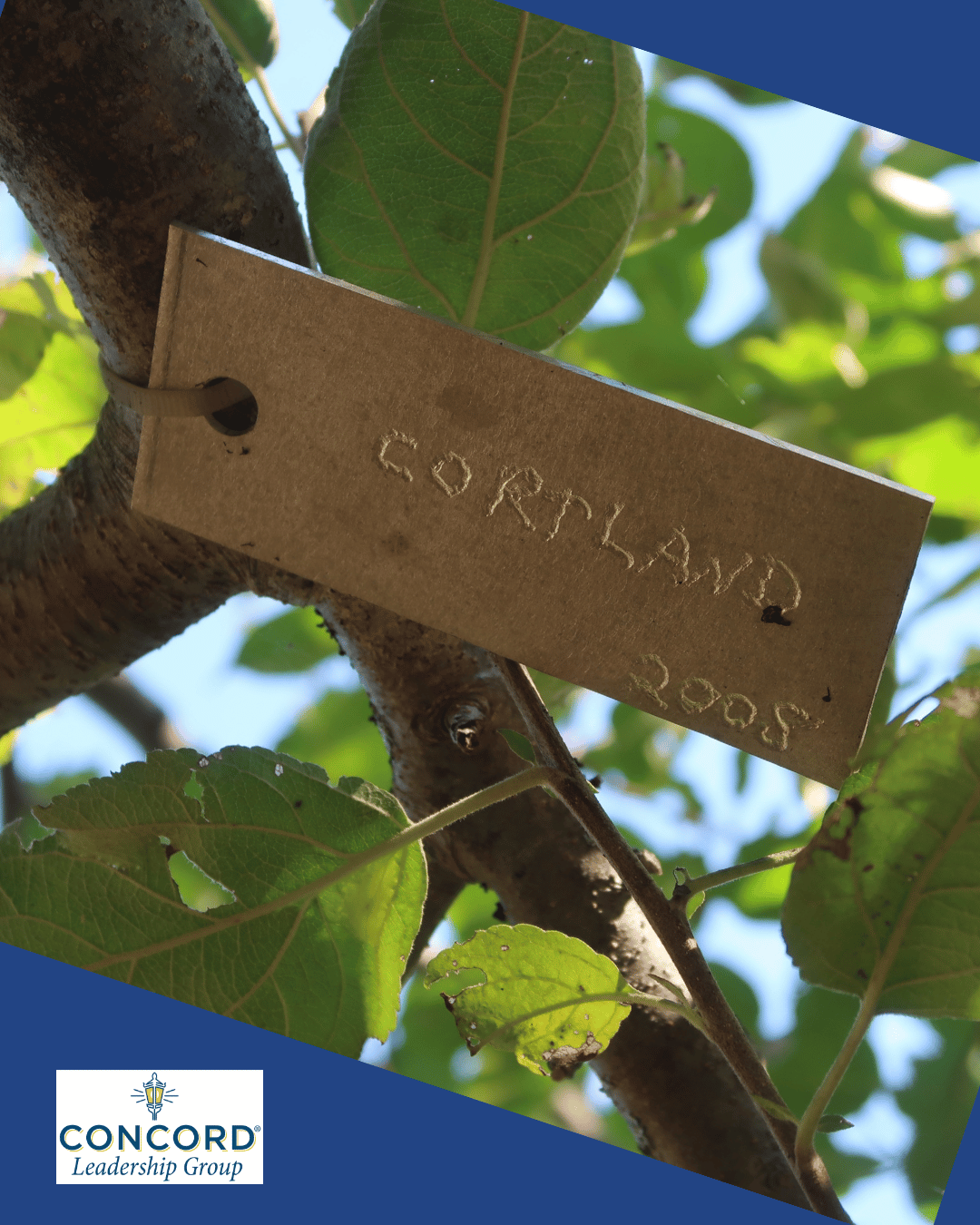 But even a basic read on grafting tells you something worth sitting with: you can’t do it well without understanding genus and species — going back to high school biology, to the actual family tree of what you’re working with. There’s no clever shortcut around that knowledge. You have to know the thing before you can improve the thing.
The thing that I marveled at then, and that I still find hard to imagine, is that it was going to take years before my Dad saw any fruit — up to five years.
While he was doing this, I was in the early years of child raising, and five years felt like forever. Now that I’m in mid-life, it doesn’t seem quite so extensive.
But there was no immediate gratification, other than the work itself — which, for an agrarian man like Dad, was its own kind of joy.
As I sit here getting ready for the autumn months, I’m naturally thinking about apples and apple cider and apple cider donuts. All of which I can just go get at a farm stand or grocery store. Or I can put in a delivery order and skip even the effort of getting in my car and driving the eight minutes.
I have found using LLMs in my work incredibly supportive — a thought partner and a proofreader, the place I go for a quick answer on QuickBooks or podcast publishing that used to eat an afternoon.
Dad didn’t have any of that. He had books and family history. And when you look at what grafting actually requires, that patience isn’t a limitation he worked around — it’s closer to the whole method. Environment first. Understanding second. Intervention last, and only once you’ve earned it.
I’m convinced there’s a lesson in the longevity and long-term commitment my Dad made with those trees that applies to our leadership today.
I’m not suggesting we go all luddite and dispense with the technological advantages we have. But living in a way that we have forgotten — or where we neglect — the natural timing for growth all but deletes the human part of our work.
Humans can mimic quickly. Anyone who has played peekaboo with a baby knows this. But mimicking isn’t learning or growing. It’s a step of learning and growing. And if we altogether eliminate the time for growth, we will have a weak service or product. We may temporarily have an efficient organization, but what happens when winter storms come? If a branch hasn’t been given the time and care it needs, it will just break off. The fruit will be limited if it’s rushed. If you make a decision about your progress after only two years, you might be missing the best years.
I talked to my mom last week. She looks out their home windows when she talks to me. She commented, almost in passing, that she has never seen the pear tree and apple trees so heavy with fruit.
She’s the one who gets to notice it. Not Dad. He did the years of unglamorous work — the sun, the sickle, the graft, the waiting — and it’s someone else, later, standing at a window, who gets to see what it became. That’s worth remembering too. The people who do the patient work of building something rarely get to be the ones who stand back and marvel at the abundance of it. Someone else usually does. That doesn’t make the work less worth doing.
0 Comments