
(This article was adapted from a Roundtable Marc and I led for our Magnetize 2026 goal setting participants.)
September is an interesting place to stand.
We’re far enough into the year that January feels pretty far behind us. And we’re close enough to December that the end of the year is beginning to come into view.
It’s not the starting line.
It’s not the finish line.
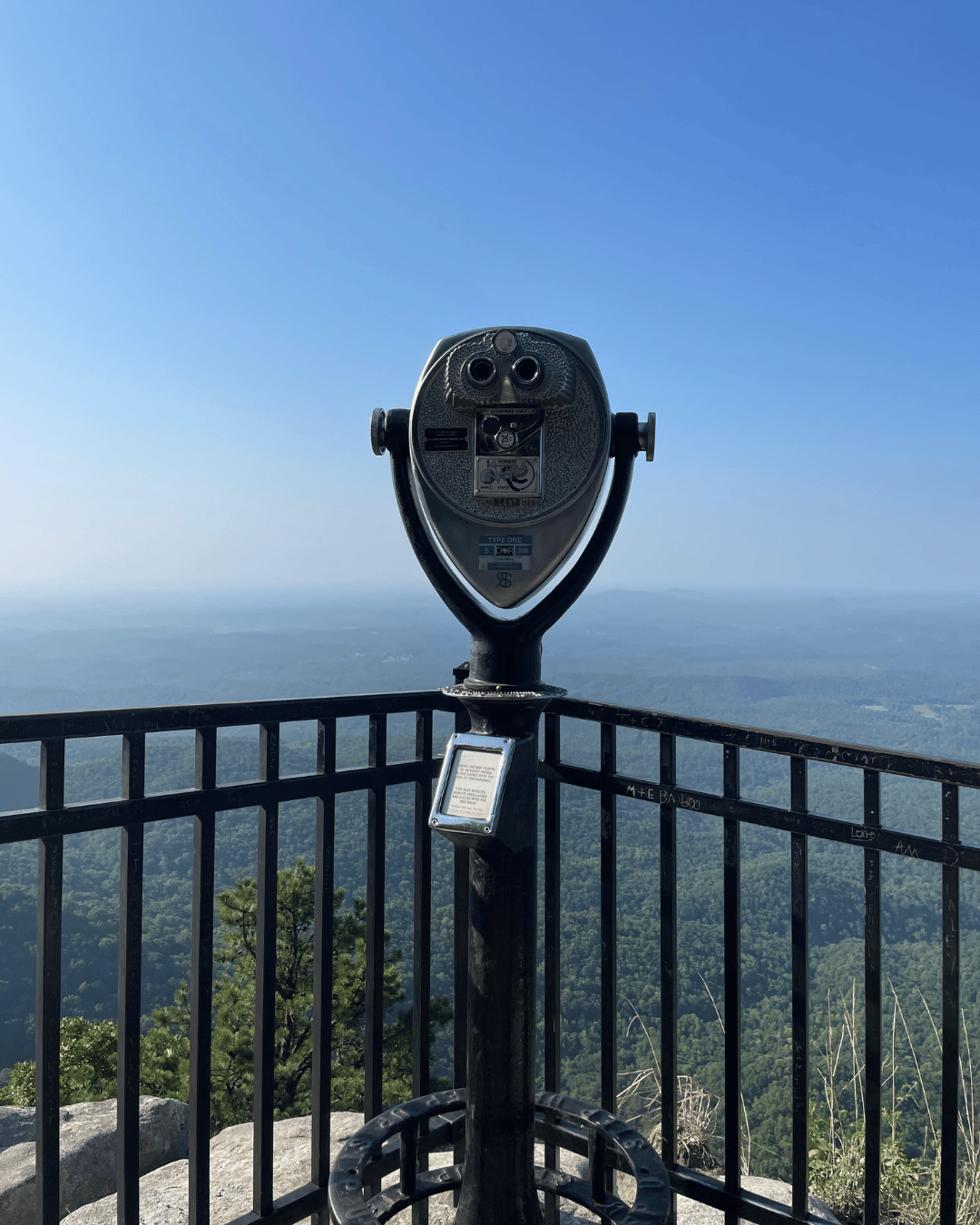
It’s a lookout point.

And from here, we can see things we simply couldn’t see in January.
At the beginning of a year—or a project, a strategic plan, a new role—we do a lot of imagining. We look at what we know. We decide where we want to go. We make plans for how we might get there.
And then we live the year.
People change. Circumstances change. Opportunities appear. Things take longer than we expected. Something we thought would be difficult turns out to be surprisingly easy. Something we were certain mattered loses some of its pull.
Reality gives us information the planning process couldn’t.
The question is what we do with it.
Curiosity or Perfectionism?
I’ve been noticing this distinction in my own goal work lately.
Perfectionism wants to look back and grade me.
Did I do enough?
Am I far enough along?
Did I follow the plan?
Am I behind?
Curiosity asks different questions.
Huh. What happened there?
Why did that work?
Why do I keep avoiding that?
What seems to be giving me energy?
What am I learning?
Those questions don’t excuse us from responsibility. In fact, I think they make us more capable of responding responsibly.
Because curiosity gives us information we can actually use.
Leaders need lookout points.
We need places where we stop moving long enough to ask:
What do I know now that I didn’t know when I made this plan?
Not so we can criticize our earlier selves for failing to predict the future.
So we can lead with the information we have now.
The Plan Isn’t the Point
There can be something reassuring about sticking to a plan.
We said we would do it this way, so we’re doing it this way.
Consistency can certainly be valuable. So can persistence.
But there comes a point when commitment to an old plan can keep us from responding to what is actually happening around us.
One of the phrases we’ve used a lot in our work this year is:
Commitment to the goal does not require commitment to the original plan.
That’s an important distinction for leaders.
Perhaps the destination still matters very much, but the route we mapped six months ago doesn’t make sense anymore.
Maybe we’ve learned something about our team.
Maybe resources have changed.
Maybe an opportunity appeared that we couldn’t have anticipated.
Maybe the thing we thought was the problem wasn’t actually the problem.
Changing course in response to new information isn’t necessarily a failure of commitment.
It may be evidence that we’re paying attention.
What’s the Next Right Thing?
Once we allow ourselves to work with what is true now, another question becomes possible.
Instead of:
How am I possibly going to get everything done?
We can ask:
What’s the next right thing?
Maybe it’s a conversation.
An email.
A decision we’ve been avoiding.
A question we need to ask.
Something we need to stop doing.
Fifteen uninterrupted minutes with a problem we’ve been circling for weeks.
The next right thing doesn’t have to solve the whole problem.
It simply needs to move us into relationship with it again.
And sometimes that is enough to get us moving.
Finish the Year You Actually Have
As the end of the year begins to come into view, I keep returning to one thought:
Because there can be a temptation, as December approaches, to start thinking about catching up.
But catching up to whom?
To the version of ourselves who made plans before we knew what this year would contain?
That version of us wasn’t wrong.
We just didn’t know yet.
September gives us information January couldn’t.
So work with what is true now.
The time you actually have.
The energy you actually have.
The resources you actually have.
The people you’re actually leading.
The things that actually matter now.
Maybe the goal stays exactly the same.
Maybe the plan changes.
Maybe something you thought would be important isn’t anymore.
Maybe something you couldn’t have anticipated has become essential.
The work isn’t to prove that the plan you made at the beginning was right.
The work is to pay attention closely enough to lead well from where you are now.
So, wherever you happen to be in your year, perhaps it’s worth finding your own lookout point.
Turn around for a moment.
Notice the path you’ve actually traveled.
And ask:
What do I know now that I didn’t know when I started?
Then turn toward where you’re going.
And choose the next right thing.
(Do you find this perspective interesting? Keep watching for an invitation to join us for Magnetize 2027.)


0 Comments