

In the complex ecosystem of modern healthcare, clinical teams, administrators, and payers must work together for success. Collaboration is essential to achieve positive patient outcomes and financial sustainability. However, gaps often exist between these teams, primarily driven by poor alignment that hinders operational improvement.
The key to teamwork that fuels better outcomes goes beyond talent acquisition and employee engagement. What healthcare teams need most is effective strategies for communication and collaboration.
This article outlines five strategies to help healthcare teams collaborate more efficiently through a unified, data-driven approach to whole-person care.
1. Establish a common data source for all teams
Many healthcare organizations rely on systems where clinical, financial, and operational data are isolated from each other. When care teams need insights into network performance or risk stratification, they often encounter a barrier: the data they need is locked in a silo maintained by a different department.
True cross-team collaboration starts with data aggregation in a single platform. Consolidating all health information in a central repository, such as a data warehouse, ensures that all data is connected to support various teams and workflows. Here is how unified data supports different teams:
- For clinical teams, this means accessing a patient’s full clinical history and social determinants of health (SDoH) data in one place.
- For financial teams, this allows for immediate analysis of value-based care (VBC) contracts against performance.
- For senior management, it provides a bird’s-eye view of performance and population health across the entire network.
The common data source your organization establishes should collect and store data, and also transform it into usable analytics. According to Arcadia, an integrated data platform will consolidate various processes, such as data enrichment and visualization, to turn data into insights for decision-making purposes.
This platform should connect data sources to surface insights that are accessible to everyone, from payers to providers. When all collaborators in the care continuum can access a holistic view of human health, it unlocks profound insights needed for whole-person care.
2. Leverage AI to streamline administrative handoffs
A significant barrier to efficient cross-team collaboration lies in the sheer volume of repetitive administrative and practice management tasks. Time wasted on manually entering data, processing referrals, or tracking down forms limits staff bandwidth for strategic work and direct patient care.
Fortunately, artificial intelligence (AI) is revolutionizing workflows in the healthcare industry, particularly through automation. By leveraging AI, healthcare organizations can improve care coordination and smooth handoffs between teams.
For instance, AI can automatically flag patients who are due for preventive screenings and create targeted outreach campaigns. This task previously required manual coordination between analytics and outreach teams, but the right AI tools can make the process seamless.
AI can also bridge clinical coding and billing tasks when applied to revenue cycle management (RCM). Automating these processes reduces the chance of errors and friction between departments.
3. Build a team-first culture
Collaboration begins with culture, and culture is defined by the people you hire. As the industry moves increasingly toward value-based care, health teams across the care continuum must work together to put patients first.
Successful collaboration requires professionals who are experts in their field and fluent in the language of other departments and industry stakeholders. For example, when hiring for roles in population health, analytics, or IT, assess a candidate’s ability to communicate complex insights to non-technical, clinical, or financial teams.
Integrate collaborative thinking into your talent acquisition strategy, particularly for senior leadership roles and operational VPs. Prioritizing collaboration as a cultural value from the very first interview sets new hires up to form strong working relationships and work positively with other teams.
4. Launch data-backed community health initiatives
Community health efforts are the ultimate test of cross-functional collaboration, requiring input from clinical, operational, and population health departments as well as community stakeholders. These initiatives provide a clear avenue for teams to collaborate and achieve their shared objectives.
The insights gleaned from a Community Health Needs Assessment (CHNA) provide a population-based view of health and can inform operational and financial strategies, creating a feedback loop that connects community members, clinical staff, and health executives.
A CHNA should include both:
- Quantitative data: Information that can be calculated numerically, such as hospital utilization rates
- Qualitative data: Descriptive or narrative information, such as patient survey responses
This approach ensures that your community efforts are data-backed efforts that inform clinical, financial, and operational decisions. For example, data showing a high prevalence of a specific chronic condition in a geographic area should inform where an organization deploys clinical resources and what outreach campaigns they create.
5. Implement collaborative employee standards
Collaboration often fails due to misaligned priorities and differing operational workflows. One team’s “urgent” task may not register on another team’s radar, especially with the added complexity of managing a vast network of in-person and remote employees.
Adopt a system of shared priorities driven by performance metrics. For example, workflows in need of standardization could include:
- Campaign alignment: Let’s say your analytics show a gap in annual wellness visits (AWV). In this case, your outreach, patient scheduling, and payer strategy teams should all prioritize a coordinated campaign around the importance of AWV for a defined period.
- Time management: Create standards around response times, reporting deadlines, and other time-sensitive activities across teams. This way, each team shares reasonable expectations surrounding collaborative workflows, especially for information requests and exchanges.
By focusing on closing specific performance gaps, teams can align their individual tasks with a common, measurable goal, which is essential for VPs and Senior Management overseeing population health programs.
Effective cross-team collaboration is more than just a soft skill; it is a measurable operational advantage. By using the right data analytics tools and implementing standardized processes, healthcare organization teams can unlock unified insights. Health teams that work together more effectively will drive mutual results for the organization and patient population as a whole.
ABOUT THE AUTHOR
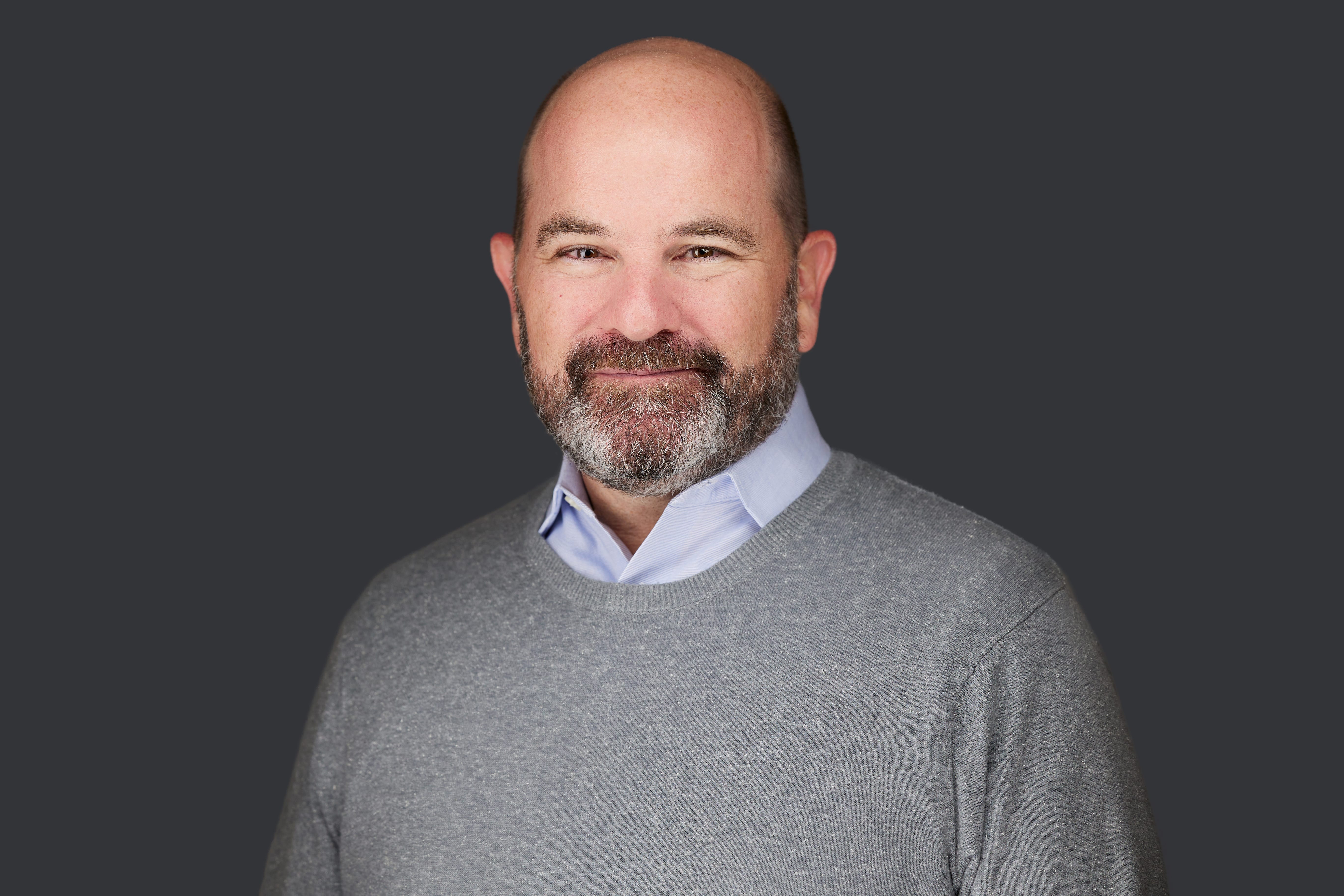
Chief Medical Officer
Luke Hansen, MD, MHS, is the Chief Medical Officer at Arcadia, a healthcare data platform company. He provides clinical and healthcare operational expertise to the company’s internal teams and builds relationships with external stakeholders, particularly clinical executives and clinicians at Arcadia’s customers. He also contributes to strategic planning efforts and the company’s product roadmap by integrating emerging clinical evidence and technologies.
Before joining Arcadia, Dr. Hansen led the clinician organization for Homeward Health, a population health enablement company focusing on access and outcomes for rural Americans. He previously served at United Health Group as the Illinois Market Medicare Advantage Chief Medical Officer and a Senior Medical Director for Population Health at Optum. Dr. Hansen has also held health system roles as a Population Health Chief Medical Officer, including medical directorship over capitated risk-based contracts and a MSSP ACO.
Dr. Hansen’s career is driven by a desire to improve the healthcare system and a passion for improving the quality and efficiency of care delivery and clinical outcomes. Throughout his career, he has maintained an active clinical practice and teaching positions at Northwestern University and the University of Illinois.
Dr. Hansen holds a bachelor’s degree in American studies from Yale College, a Doctor of Medicine degree from Loyola University Stritch School of Medicine, and a master’s degree in health sciences from Yale University School of Medicine. He lives in Chicago with his wife and three children. In his free time, Dr. Hansen enjoys reading, writing, backpacking, and traveling.


0 Comments